

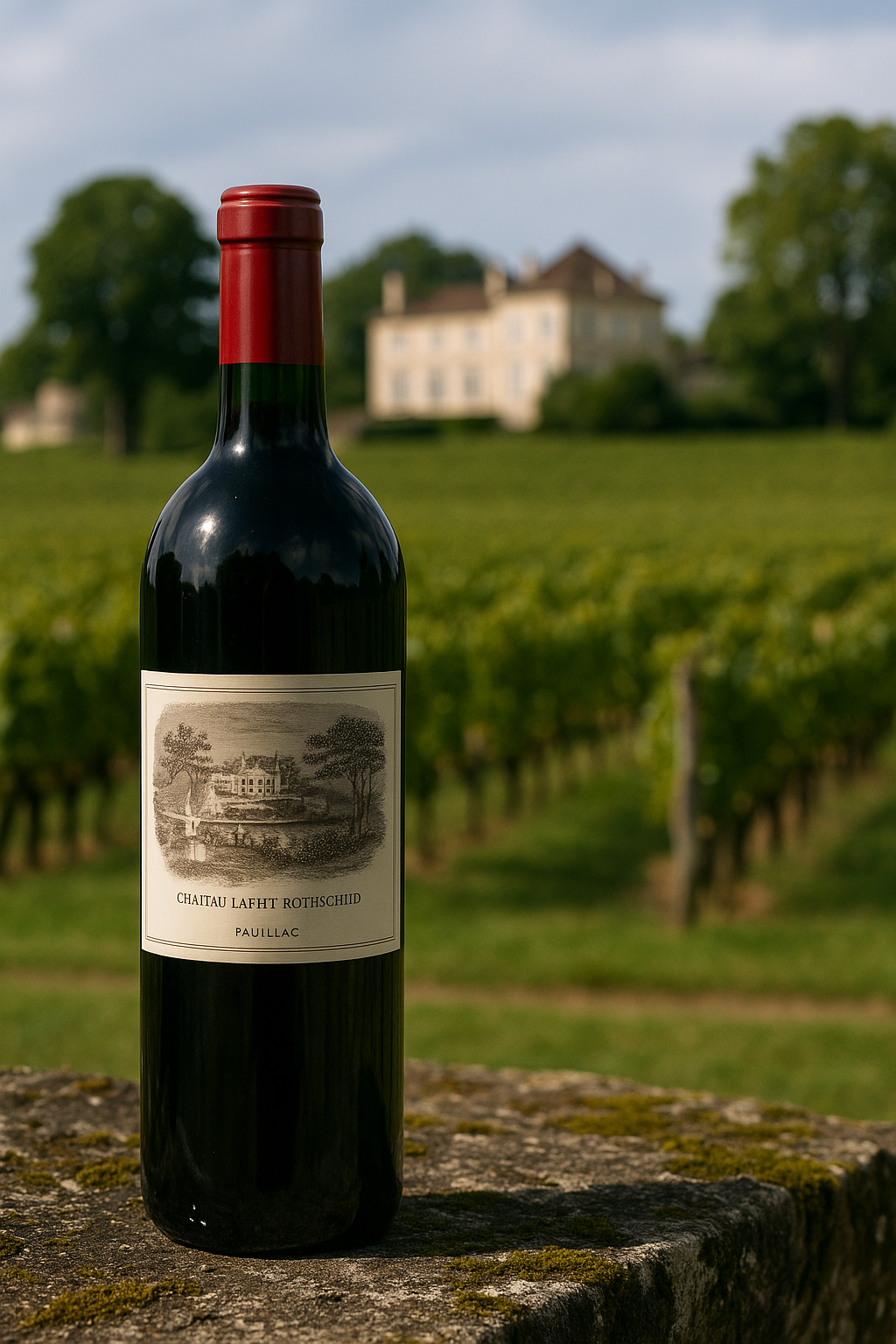
Cristal Champagne has long reigned as a symbol of refinement, its clear bottle, golden hues and whispered reputation placing it among the world’s most coveted luxury champagnes. But beyond the shimmering glasses and special-occasion toasts, Cristal is increasingly finding a place in the kitchen. Chefs around the world are experimenting with its delicate acidity and silky texture, weaving it into dishes that highlight its elegance rather than overpower it. This shift toward using Cristal Champagne in food marks a new chapter for a cuvée once reserved exclusively for celebrations.
The story behind Cristal and why chefs are embracing it
Created in 1876 for Tsar Alexander II, Cristal was originally designed as an ultra-premium cuvée with unparalleled purity. Produced by Louis Roederer, it quickly earned a place among the finest luxury champagnes thanks to its grand cru origins, meticulous biodynamic farming and extended cellaring. Today, as gastronomy pushes boundaries, its finesse makes it a natural partner for culinary creativity. For readers curious about serving tips, tasting notes and the different Cristal Champagne cuvées available, you’ll find more on this website, where a curated selection of Cristal Champagne bottles is presented in detail.
What sets Cristal apart
Cristal’s distinctive profile explains why chefs increasingly incorporate it into high-end dishes. Its appeal lies in:
• grapes sourced exclusively from grand cru vineyards
• long aging, giving depth, brightness and precision
• a blend dominated by chardonnay for finesse and pinot noir for structure
• a low dosage, making it fresher and more mineral than many prestige cuvées
These traits make Cristal the perfect enhancement for recipes where subtlety matters, where the champagne should lift flavors rather than dominate them.
How Cristal elevates dishes beyond the glass
Cristal Champagne’s clean minerality and delicate bubbles introduce a unique dimension to contemporary cuisine. Its citrus notes, chalky finish and touch of brioche work remarkably well when integrated into sauces, reductions or even desserts. Far from being a showpiece ingredient, it adds complexity that classic champagnes or sparkling wines cannot easily replicate.
Some standout ways Cristal is used in gastronomy include:
• deglazing seafood pans to create bright, aromatic jus
• whipping into a sabayon served with lobster or scallops
• finishing risotto to add acidity and a refined aromatic lift
• incorporating into desserts like citrus tarts or sorbets for added elegance
Pairing Cristal with food: a sommelier’s touch
Beyond cooking, Cristal remains a star at the table. Its expressive notes pair naturally with delicate and high-end ingredients such as oysters, langoustines, caviar, sashimi and lightly truffled dishes. Its precision also balances creamy cheeses or subtle poultry preparations. This versatility is why searches like “best food pairing with Cristal Champagne,” “luxury champagne for seafood,” and “gastronomy and Cristal” are trending among food lovers.
Understanding the cost and value of using Cristal in cuisine
Cristal doesn’t just taste luxurious, its price reflects its craftsmanship. The wine is produced in limited quantities, aged for years and sourced from some of Champagne’s most prized parcels. These factors explain why it remains more expensive than many prestige cuvées. Using such a champagne in cooking is undeniably extravagant, but for top chefs, it is an aesthetic choice: elevating a dish with ingredients as refined as the wine served alongside it.
What influences the price of Cristal Champagne?
• rarity and limited vineyard selection
• extended aging and meticulous vinification
• biodynamic farming practices
• strong global demand and brand heritage
For enthusiasts looking to cook with Cristal at home, the investment often feels worthwhile when preparing a memorable dish for a special occasion.
How to choose and buy authentic Cristal
Counterfeits remain a concern for collectors and buyers. For anyone seeking genuine Cristal, whether to enjoy in a glass or blend into an ambitious recipe, experts recommend sourcing bottles from accredited retailers or trusted wine merchants. Authentic bottles have precise engravings, correct foil details and reliable traceability. Proper storage matters as well: Cristal should rest horizontally, away from light and heat, to preserve its aging potential.
FAQs about using Cristal Champagne in food
Can Cristal Champagne really improve a dish?
When used carefully, yes. Its acidity and aromatics enhance delicate ingredients and add layers of complexity.
Should it be added during cooking or at the end?
Adding it at the end preserves freshness, while using it early in cooking creates deeper, more integrated flavors.
Is it worth the cost compared to regular champagne?
For everyday cooking, no. For refined dishes where balance and purity matter, some chefs argue the difference is noticeable.
What dishes benefit most from Cristal’s profile?
Seafood, creamy sauces, sabayons, light poultry dishes and citrus-based desserts highlight its character beautifully.
A new frontier for an iconic cuvée
Cristal Champagne has long embodied luxury. Now, its influence is expanding from the flute to the plate, inspiring chefs to reimagine what fine ingredients can achieve. Whether enjoyed alongside a meticulously crafted dish or woven directly into the recipe, Cristal continues to redefine sophistication, one sip and one bite at a time.